
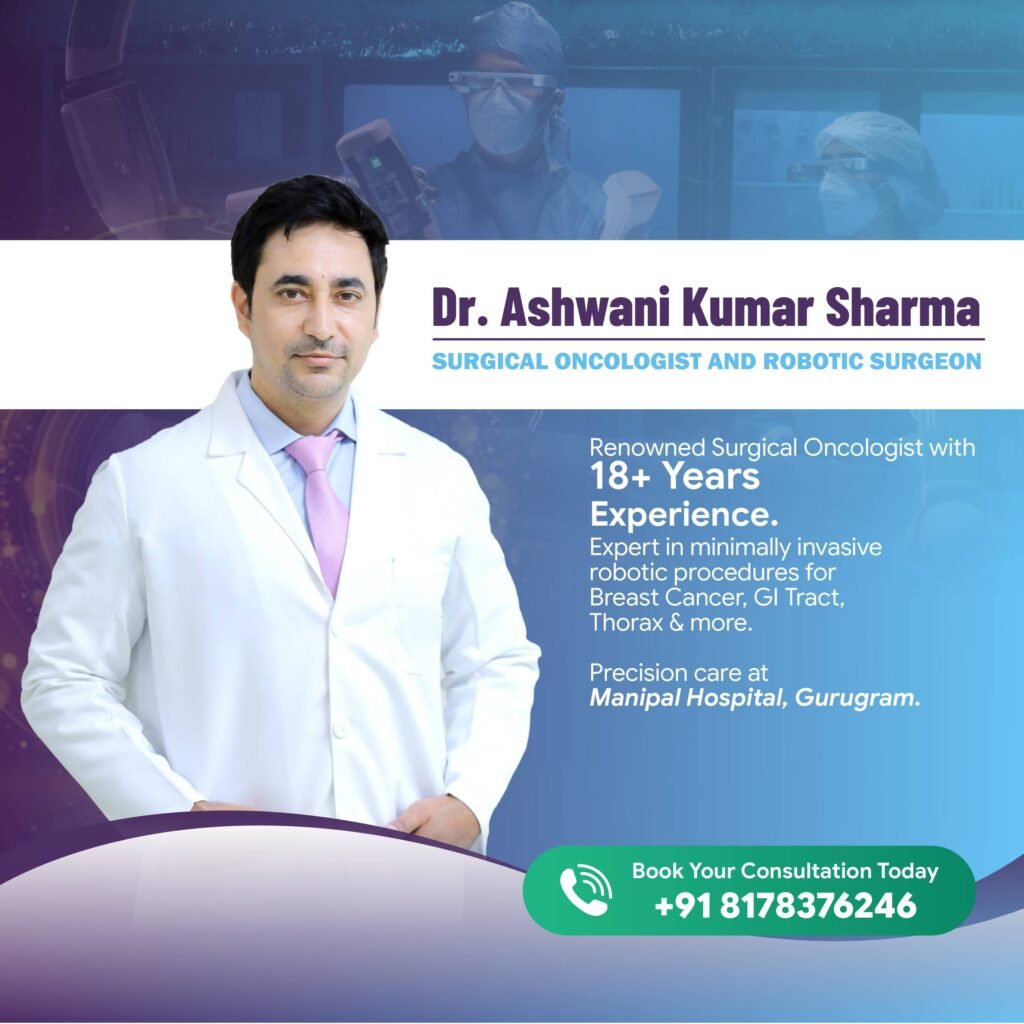
A cancer diagnosis can bring many questions, emotions, and difficult decisions. Therefore, choosing the Best Cancer Treatment Doctor in Gurugram involves much more than finding a specialist with advanced medical knowledge. Patients also need a doctor who understands their diagnosis, explains the available options clearly, and develops a treatment plan based on their individual needs.
Cancer is not one disease with one standard solution. The type, location, stage, biology, and spread of cancer can differ from one patient to another. In addition, a person’s age, overall health, lifestyle, and treatment goals may influence the recommended approach.
The best cancer treatment doctor in Gurugram is one who combines specialized oncology expertise, accurate diagnosis, multidisciplinary planning, advanced treatment options, and compassionate communication. Personalized cancer care considers the patient’s cancer type, stage, overall health, and individual needs to create a safe and effective treatment strategy.
For fast information, direct chat with us on WhatsApp.
Why Personalized Cancer Care Is Important
Personalized cancer care focuses on the individual rather than treating every patient through the same pathway. Although clinical guidelines provide an important foundation, doctors must adapt treatment decisions to the patient’s specific condition.
For example, two people may have cancer in the same organ but require different treatment plans. One patient may benefit from surgery, while another may need chemotherapy, radiation therapy, targeted treatment, or a combination of therapies.
Moreover, the doctor must evaluate whether the patient is medically fit for a particular treatment. Factors such as age, other health conditions, nutritional status, and expected recovery can affect the treatment plan.
A personalized approach may help doctors:
- Select the most appropriate treatment sequence
- Evaluate whether surgery is suitable
- Plan treatment around the cancer stage and location
- Reduce avoidable treatment-related risks
- Support recovery and long-term quality of life
- Involve patients and families in important decisions
Therefore, personalized care aims to balance cancer control, safety, recovery, and quality of life.
How to Choose the Best Cancer Treatment Doctor in Gurugram
When searching for the Best Cancer Treatment Doctor in Gurugram, patients should look beyond general online rankings. Instead, they should evaluate the doctor’s training, cancer-specific experience, treatment approach, and ability to coordinate comprehensive care.
The following factors can help patients make a well-informed decision.
1. Check Cancer-Specific Expertise
Cancer treatment includes several medical specialties. Surgical oncologists focus on the surgical management of cancer, while medical oncologists manage treatments such as chemotherapy, immunotherapy, and targeted therapy. Radiation oncologists use radiation-based treatments.
Therefore, patients should select a specialist whose expertise matches their diagnosis and treatment needs.
For surgical cancers, it is important to understand the doctor’s experience with the affected organ or cancer type. Complex cancers often require detailed planning and advanced surgical skills.
Dr. Ashwani Kumar Sharma has experience in the surgical treatment of head and neck, thoracic, breast, gastrointestinal, and gynecological cancers. His clinical interests include cancers of the thyroid, oesophagus, lungs, stomach, pancreas, and colorectal region.
2. Look for a Multidisciplinary Treatment Approach
Cancer care often requires the involvement of several specialists. Consequently, treatment decisions may benefit from collaboration between surgical oncologists, medical oncologists, radiation oncologists, radiologists, pathologists, anesthesiologists, and rehabilitation professionals.
A multidisciplinary approach allows the team to review diagnostic reports, imaging findings, pathology results, and treatment options together.
For example, some patients may need chemotherapy or radiation before surgery. Others may require surgery first, followed by additional treatment. Therefore, coordinated planning can help determine the most appropriate sequence.
Multidisciplinary cancer care also improves communication between different specialists and supports continuity throughout the treatment journey.
3. Evaluate Access to Advanced Surgical Techniques
Modern cancer surgery has advanced significantly. Depending on the diagnosis and clinical suitability, minimally invasive, thoracoscopic, or robotic-assisted techniques may offer important benefits.
These approaches can provide improved visualization and precise surgical movement. In selected patients, they may also support smaller incisions, less tissue trauma, reduced pain, shorter hospital stays, and a faster recovery.
However, advanced technology does not automatically make a procedure suitable for every patient. The surgeon must first evaluate the cancer stage, tumor location, anatomy, previous treatments, and overall health.
Dr. Ashwani Kumar Sharma has experience in robotic and minimally invasive cancer surgeries, including robotic procedures for thyroid, oesophageal, pancreatic, colorectal, thoracic, and other malignancies.
4. Understand the Doctor’s Approach to Treatment Planning
A good cancer consultation should provide clarity rather than create confusion. The doctor should explain the diagnosis in understandable language and discuss why a particular treatment may be recommended.
Patients should receive guidance about:
- The type and stage of cancer
- The purpose of the recommended treatment
- Possible treatment alternatives
- Expected benefits and potential risks
- The likely recovery process
- The need for additional treatment after surgery
- Follow-up and long-term monitoring
Furthermore, patients should feel comfortable asking questions. Clear communication helps patients understand their choices and participate in shared decision-making.
What Makes the Best Cancer Treatment Doctor in Gurugram Different?
The Best Cancer Treatment Doctor in Gurugram should combine clinical expertise with careful planning, ethical decision-making, and patient-centered communication.
Cancer treatment is not only about removing a tumor or completing a medical procedure. It also involves protecting important functions, managing risks, supporting recovery, and considering the patient’s future quality of life.
For example, surgery for cancers of the head and neck, chest, pancreas, oesophagus, or colorectal region may require highly detailed planning. The surgeon must consider nearby organs, blood vessels, nerves, and other important structures.
Therefore, experience with complex cancer procedures can play an important role in treatment planning.
Dr. Ashwani Kumar Sharma’s work includes advanced procedures such as robotic oesophagectomy, robotic Whipple surgery, robotic colorectal surgery, robotic thyroidectomy, VATS, and cytoreductive surgery with HIPEC. These procedures require careful patient selection and multidisciplinary support.
Personalized Care Continues Beyond Treatment
Personalized cancer care does not end after surgery or another treatment. Recovery requires continued monitoring and support.
The care team may guide patients regarding pain management, wound care, nutrition, physical activity, rehabilitation, and follow-up appointments. In addition, some patients may require further chemotherapy, radiation therapy, or long-term surveillance.
Emotional support also remains important. Cancer can affect patients and families in many ways. Therefore, open communication and practical guidance can help people feel more prepared during treatment and recovery.
A patient-centered approach should address both medical needs and everyday concerns. This may include discussing recovery timelines, work, family responsibilities, diet, and possible changes in daily activities.
Questions to Ask During a Cancer Consultation
Before choosing a cancer specialist, patients may consider asking:
- What type and stage of cancer do I have?
- What treatment options are appropriate for my condition?
- Do I need surgery, chemotherapy, radiation therapy, or a combination?
- What are the expected benefits and possible risks?
- Is minimally invasive or robotic surgery suitable for me?
- Will my case be reviewed by a multidisciplinary team?
- What should I expect during recovery?
- How will my progress be monitored after treatment?
These questions can help patients understand the treatment process and make informed decisions.
Conclusion
Choosing the Best Cancer Treatment Doctor in Gurugram requires careful consideration of specialized experience, cancer-specific expertise, treatment planning, technology, and communication. However, the right choice should also reflect the patient’s individual diagnosis, medical condition, and personal treatment goals. Personalized cancer care brings these factors together through accurate evaluation, multidisciplinary collaboration, and a carefully planned treatment strategy. Dr. Ashwani Kumar Sharma focuses on patient-centered surgical oncology and advanced cancer treatment approaches while supporting informed decision-making throughout the care journey. Therefore, patients should seek a detailed consultation, review their treatment options, and choose a specialist who provides clear guidance, appropriate expertise, and compassionate support at every stage.